

Every product under Build it, in one place.



Bring these and we can tell you where you stand.
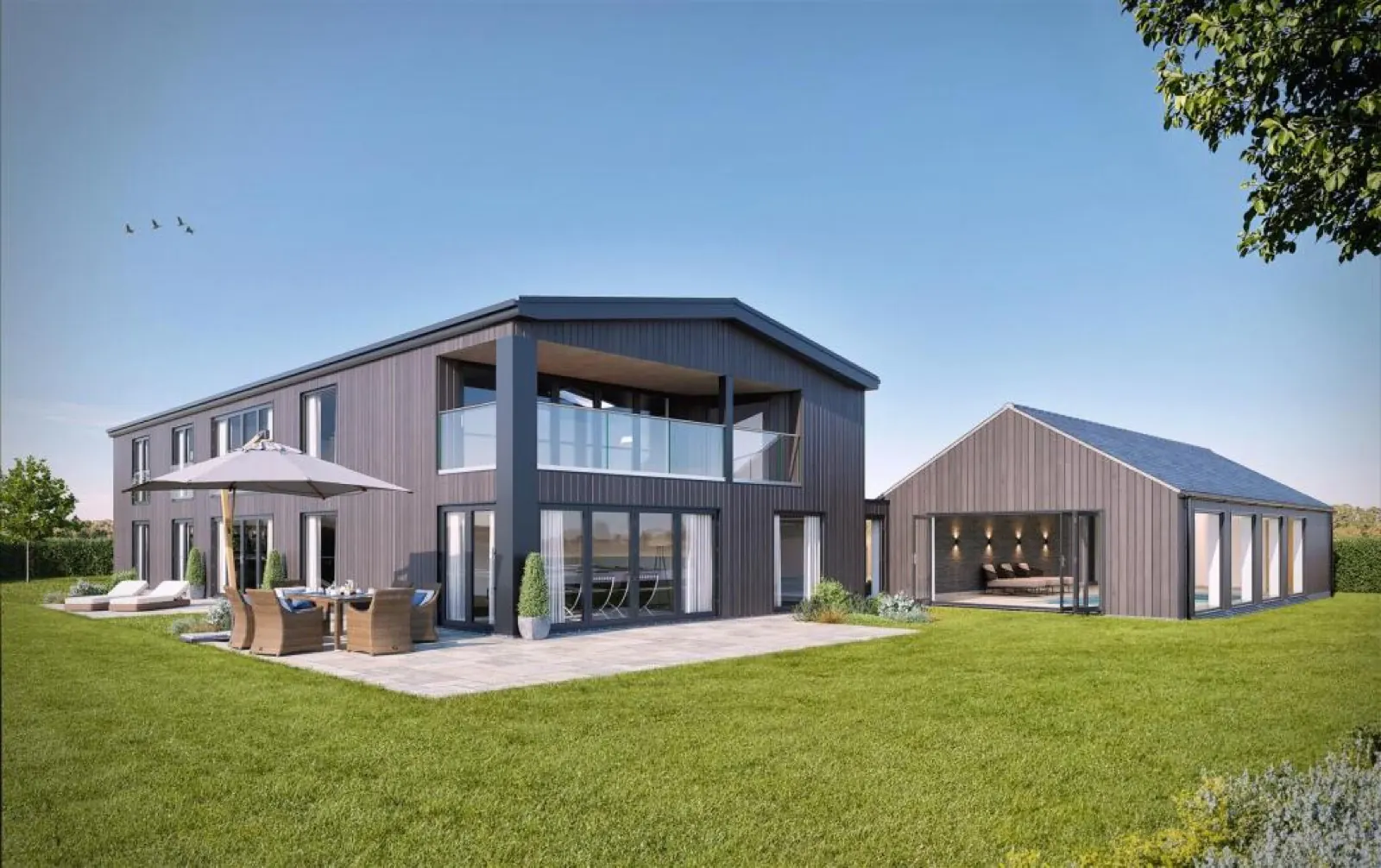
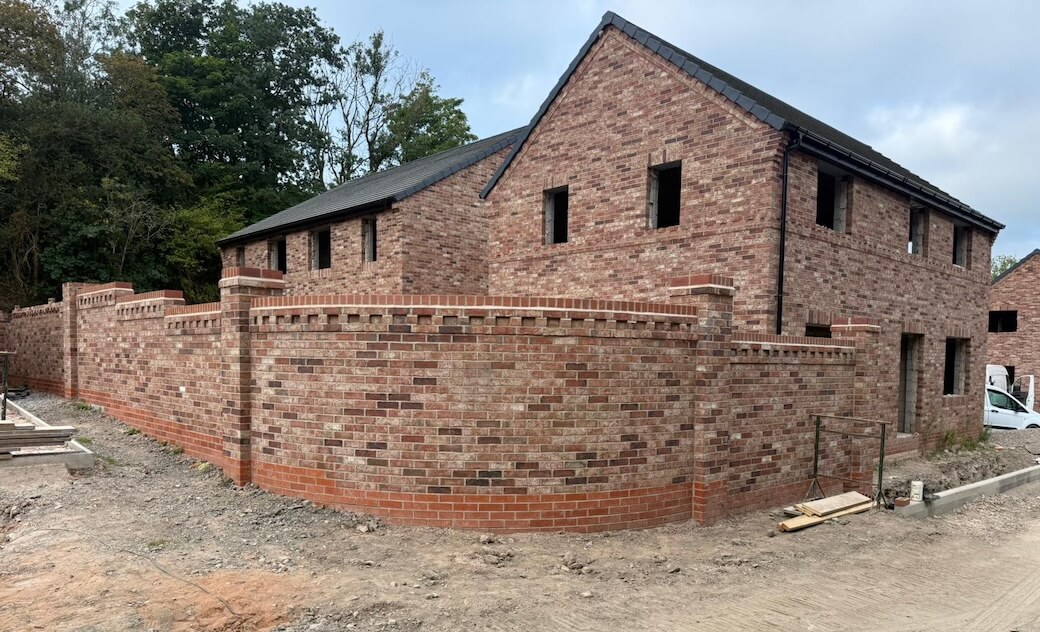
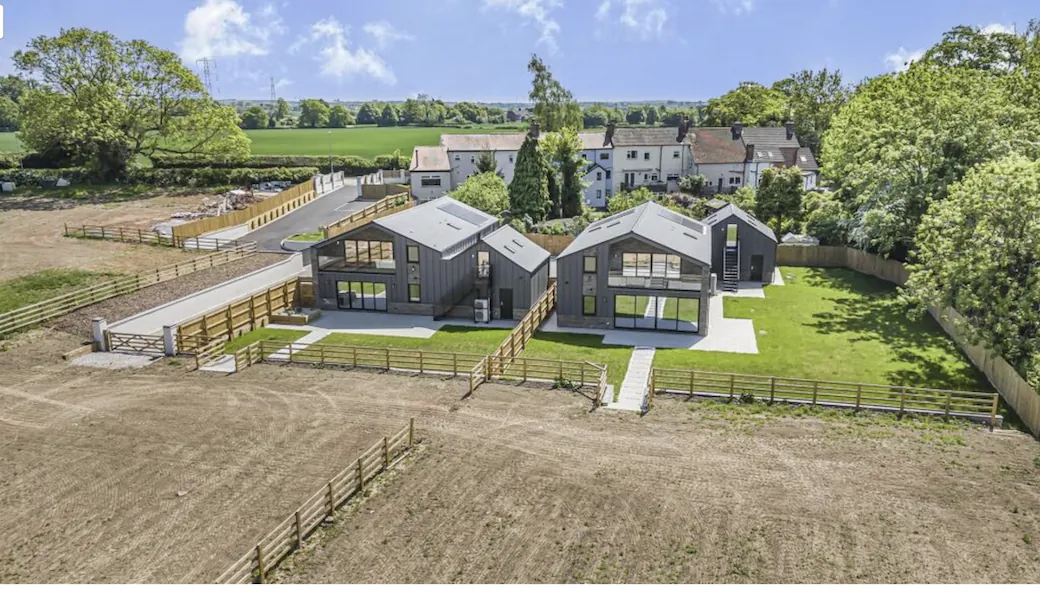
Schemes we funded in this space.
What actually changes when we run the process.
Working with a broker
An appraisal before anything goes to market
Every scheme starts with our own appraisal. You see what it can support, which limit sets the loan and what the finance costs in total, before a lender sees it.
The whole of the market
A single lender gives you its own answer. We know which lenders are active for your type of scheme, how each is likely to size it, and where the terms you are offered sit against what is available.
Products available through brokers
Some lenders keep products and pricing for the broker market. Working with us puts those on the table alongside everything offered direct.
Relationships built over hundreds of transactions
We know how each lender's credit team thinks and what it needs to see. That familiarity is often what carries a deal through credit when it needs a push.
A buffer between you and the lender
We deal with underwriting and credit on your behalf. The scheme reaches each lender once, in the right shape, with the obvious questions already answered, and nothing is said that cannot be taken back.
Your time back
We run the packaging, lender selection, underwriting, credit and legals day to day. Your time goes on acquiring sites, running projects and finding the next opportunity.
Can I get 100% development finance?
Not in the sense the phrase suggests. No lender advances 100% of total cost against the scheme alone.
Two things get called it. Up to 100% of build costs, where you already own the land and its value counts as your equity. The loan to cost and loan to GDV limits still apply. And 100% of total cost where additional security or a JV partner covers the gap, which is not the same as gearing the scheme to 100%.
If neither is on the table, what is being offered is usually equity dressed as debt, and the price is a share of your profit rather than a rate. See JV and equity funding for what that costs.
What do you charge?
1% of the facility on development finance, payable on completion. The details are set out in our terms of business.
That is our fee only. The lender's costs come on top and add up to more: arrangement fee, valuation, legals on both sides, a monitoring surveyor through the build, and sometimes an exit fee. All of them go into the appraisal before you decide.
Questions we get asked, answered straight.
Do I need a broker for development finance?
You can go to some lenders directly, and some developers do. Many lenders only work through brokers, and terms vary a great deal from lender to lender. A scheme presented well to the right lenders usually borrows more, on better terms.
We appraise the scheme first, take it to the lenders most likely to say yes, and run the process through to completion.
What is development finance?
Short-term funding for building or heavy refurbishment, usually over 18 to 36 months. It is sized on gross development value, the finished figure, rather than on what the site is worth today.
Build money is drawn in arrears against work completed on site, normally monthly, once the lender's monitoring surveyor has signed off each stage. Some lenders will also advance part of the land value on day one. Interest runs only on what has been drawn.
What is the difference between development finance and bridging?
In the simplest terms, development finance funds building and is sized on the end value. A bridging loan is secured against an existing asset and sized on its current value.
That is why a bridge does not work on a hole in the ground: the site is worth too little today to fund a build. Building from the ground up, or structural work, needs development finance. A bridge is for buying a property, or buying and refurbishing it, ahead of a sale or a refinance.
What are typical development finance rates?
Typically around 6% to 12% a year. Where a scheme sits in that range follows the risk: your experience, the loan to GDV, the strength of the exit and how complicated the scheme is. High street and challenger lenders sit at the lower end.
Interest is normally rolled up and repaid at exit, and fees come on top, so compare the total cost of finance rather than the headline rate.
Can I get finance on outline planning?
Yes, but not development finance. A development facility needs full planning permission, because until consent is granted there is no costed scheme to build against.
The site itself can still be funded. A land bridge lends against its current value, typically 50 to 60% LTV, until full permission is granted, and is then refinanced onto development finance. It prices higher, because the exit depends on a consent that does not yet exist.
See pre-planning and planning gain for how that is structured.
What is a typical development finance loan term?
18 to 24 months for a straightforward residential scheme, 24 to 36 for something larger or more complex. Most facilities carry a 3 to 6 month extension option at a higher rate.
If you think you need 18 months, budget for 24. Builds rarely finish early.
Do I pay interest during construction?
Not usually in cash, but it is still charged. On most development loans the interest is rolled up: added to the loan as it falls due and repaid in full at exit. It comes off what is left for you at the end, and your cashflow during the build is untouched.
It accrues only on what has been drawn. Some lenders let you pay it monthly instead, if the cashflow is there.
What happens if my project goes over budget?
Contingency comes first, which should be 10%+ of build cost, although the lender has to approve its use. Beyond that the facility can sometimes be increased, but only if the lender allows it and the loan has room left under its limits.
If the lender's ceiling is 65% loan to GDV and you have already borrowed 65%, there is no headroom. The shortfall becomes a cash call, and you are required to put more equity into the scheme.
Most of this is avoidable with proper budgeting, proper costings and a conservative appraisal. Where costs do move, raise it with the lender early, before the monitoring surveyor finds it.
What happens if construction delays push past the loan term?
Sometimes a lender will extend, typically by 3 to 6 months and at a higher rate. Do not treat that as a backstop. It is not always available.
The cap is the constraint. If the facility is already at the lender's ceiling, say 65% loan to GDV and that is where they stop, there is nowhere for the additional interest to go: an extension rolls up onto a balance with no headroom left. The options then are fresh equity, a sale, or a refinance onto a lender with a higher ceiling, and none of those is quick.
So raise it early. The week before expiry is the worst position to negotiate from, and by then the cap has usually closed.
What is the difference between LTGDV and LTV?
Loan to gross development value is the loan as a percentage of the finished value. Loan to value is the loan against what the asset is worth now.
Development finance is sized on LTGDV because you are building something that does not exist yet.
What exit strategies do lenders accept?
Sale is the most common. Refinance onto a buy to let mortgage if you are holding, onto a commercial mortgage if it is commercial, or a rollover into another development facility if you are building a portfolio.
The exit has to be credible and achievable inside the term.
What makes a project specialist?
Anything that does not fit standard development or mortgage criteria: mixed use, HMOs, listed buildings, pre-planning purchases, commercial conversions, title problems, unusual tenancies, or an asset that needs explaining before it can be valued.
Are specialist development lenders more expensive than the high street?
Not necessarily. Specialist here means specialist in property, and some high street banks are specialist lenders in that sense. The right lender is the one whose criteria fit the scheme, and that is not always the most expensive one.
Development finance does cost more than a mortgage. If that is the comparison, the rate will look high. Against other development lenders it may well be competitive.
What experience do development lenders look for?
Experience that matches the size of the scheme. Lenders back people they see as safe bets, so a track record of similar schemes counts most, and the jump from your last project to this one is what gets examined.
It does not have to be development experience. Years as a quantity surveyor, contractor or project manager count, and so does the professional team you appoint. See first-time developer finance if this is your first scheme.
What is the maximum leverage on specialist finance?
Think in loan to GDV. On a development the lender sizes against the finished figure.
Typically 65% to 75% LTGDV, depending on the asset and the exit. HMOs and mixed use often cap at 70%. A listed building can stretch to 75% on a strong exit.
Pre-planning land is the exception, because there is no GDV to lend against yet. That is sized on current value, typically 50 to 60% LTV.
Can you fund projects the high street rejected?
Often, yes. Specialist lenders assess the opportunity and the exit rather than running the scheme through mortgage criteria.
Going specialist costs you three things. Leverage comes down, so you will need more equity than the high street would have asked for. It takes considerably longer to agree and put in place: more diligence, more questions, and a credit committee that wants each one answered properly. And drawdowns run slower through the build, because monitoring is tighter.
Not every rejected scheme is fundable elsewhere. If the fundamentals do not work, we will tell you.
Where does yours sit?
Property finance, in your inbox
Property finance insights from the Fundingwise team.
We'll email you a link to confirm. See our privacy policy for how we use your details.