
Every product under Bridge it, in one place.



Bring these and we can tell you where you stand.
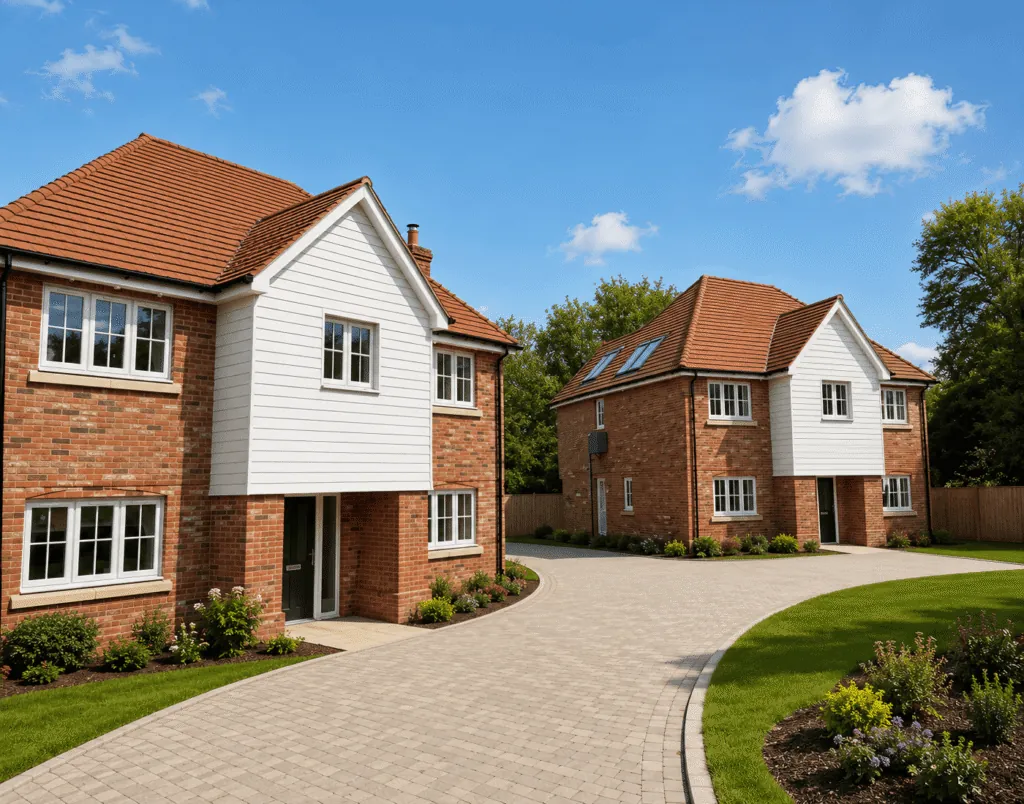
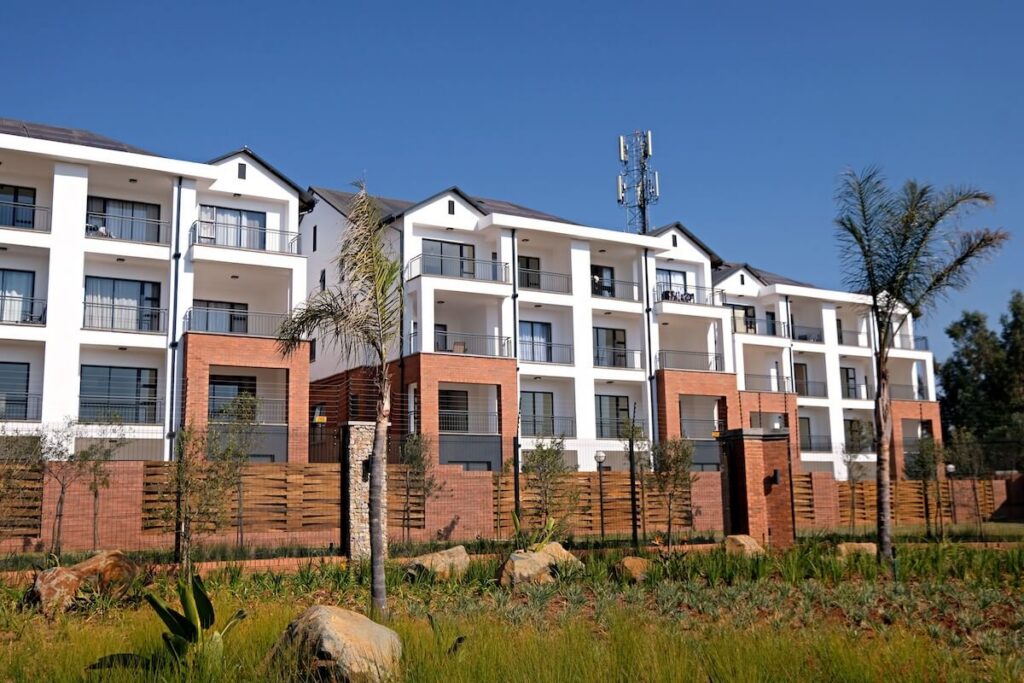
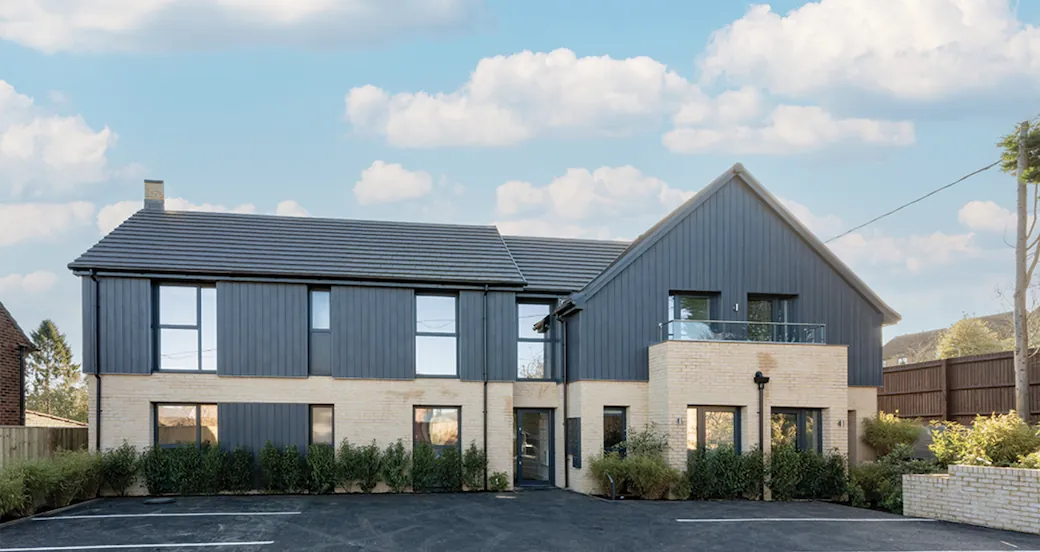
Schemes we funded in this space.
Working with a broker
An appraisal before anything goes to market
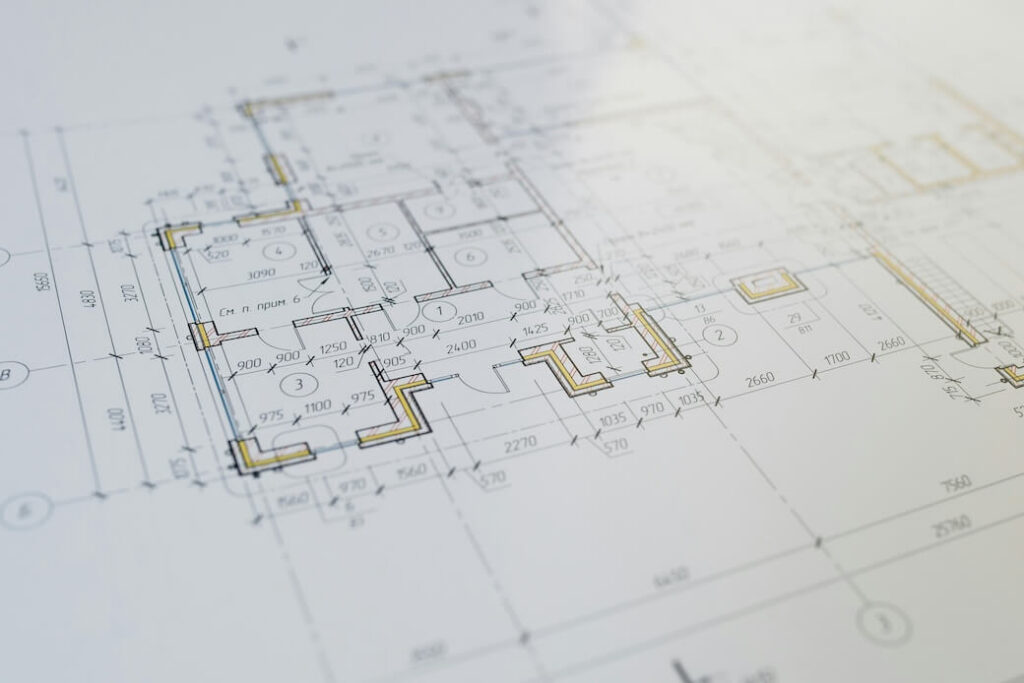
Every scheme starts with our own appraisal. You see what it can support, which limit sets the loan and what the finance costs in total, before a lender sees it.
The whole of the market
A single lender gives you its own answer. We know which lenders are active for your type of scheme, how each is likely to size it, and where the terms you are offered sit against what is available.
Products available through brokers
Some lenders keep products and pricing for the broker market. Working with us puts those on the table alongside everything offered direct.
Relationships built over hundreds of transactions
We know how each lender's credit team thinks and what it needs to see. That familiarity is often what carries a deal through credit when it needs a push.
A buffer between you and the lender
We deal with underwriting and credit on your behalf. The scheme reaches each lender once, in the right shape, with the obvious questions already answered, and nothing is said that cannot be taken back.
Your time back
We run the packaging, lender selection, underwriting, credit and legals day to day. Your time goes on acquiring sites, running projects and finding the next opportunity.
What do you charge?
On bridging and refurbishment our fee usually comes out of the lender's arrangement fee rather than being charged to you on top of it.
Questions we get asked, answered straight.
Do I need a broker for a bridging loan?
You can go to some lenders directly, and some developers do. Many lenders only work through brokers, and terms vary a great deal from lender to lender. A scheme presented well to the right lenders usually borrows more, on better terms.
We appraise the scheme first, take it to the lenders most likely to say yes, and run the process through to completion.
What is a bridging loan?
Short-term property finance, 3 to 24 months, covering a funding gap: buying before you sell, securing a site before planning, or funding works before a refinance.
Unlike a mortgage it is arranged on the exit rather than on income. You take the full amount up front and repay when the exit completes.
How quickly can bridging loans complete?
Typically two to six weeks on a clean deal: a complete pack, the legal work ready, a motivated client and good solicitors. An auction purchase is run against its 28 day deadline from the start.
What is the difference between bridging finance and development finance?
In the simplest terms, development finance funds building and is sized on the end value. A bridging loan is secured against an existing asset and sized on its current value.
That is why a bridge does not work on a hole in the ground: the site is worth too little today to fund a build. Building from the ground up, or structural work, needs development finance. A bridge is for buying a property, or buying and refurbishing it, ahead of a sale or a refinance.
How is commercial bridging different from residential?
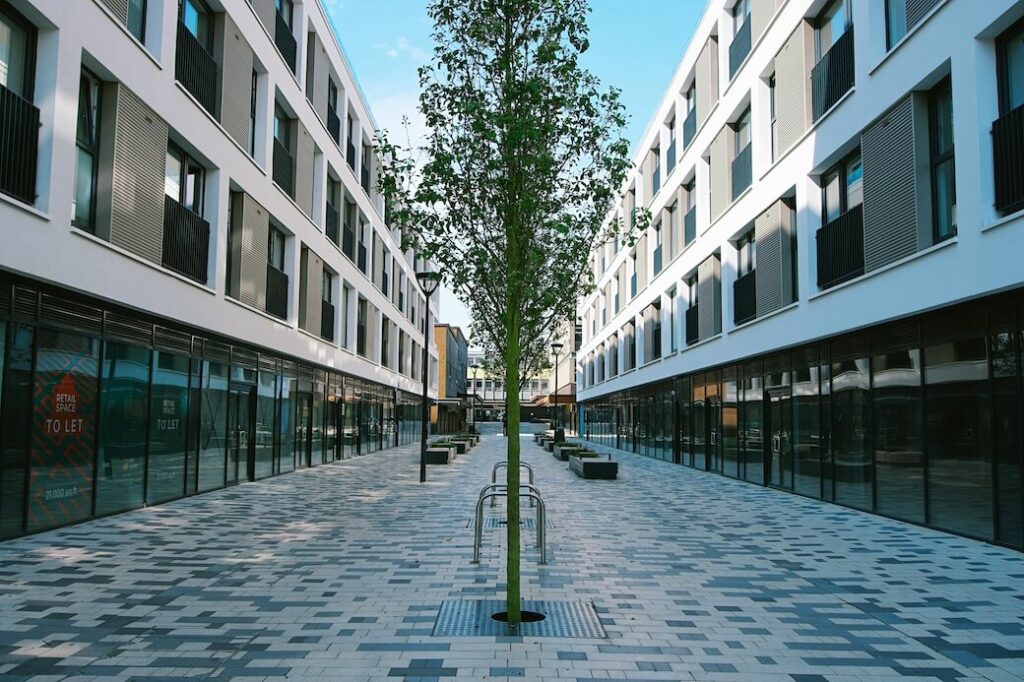
It works the same way but funds commercial property: offices, retail units, industrial premises, mixed-use buildings, or development sites with a commercial element. What changes is the pricing and the scrutiny.
- Rates typically 0.2% to 0.5% a month higher than residential
- More scrutiny on the exit: tenant demand, rental yield, commercial valuation
- Terms usually 6 to 18 months, shorter than residential
- LTV typically caps at 65% to 70%, against 75% residential
If your scheme has a commercial element, we take it to lenders who lend on commercial property.
What are typical fees for bridging loans?
Arrangement fee 1% to 2% of the loan. Valuation £500 to £2,000 depending on complexity. Legals £1,500 to £3,000 and up. Some lenders charge a 1% exit fee, most do not. Our own fee usually comes out of the lender's arrangement fee rather than on top of it.
Can I use bridging finance to buy at auction?
Yes, and it is the standard way to do it when you have 28 days to complete. See auction finance for what has to be in place before you bid.
Where does yours sit?
Property finance, in your inbox
Property finance insights from the Fundingwise team.
We'll email you a link to confirm. See our privacy policy for how we use your details.