
It works on some schemes and not others, and lenders treat it differently from a traditional build.
What is MMC, and why does it matter?
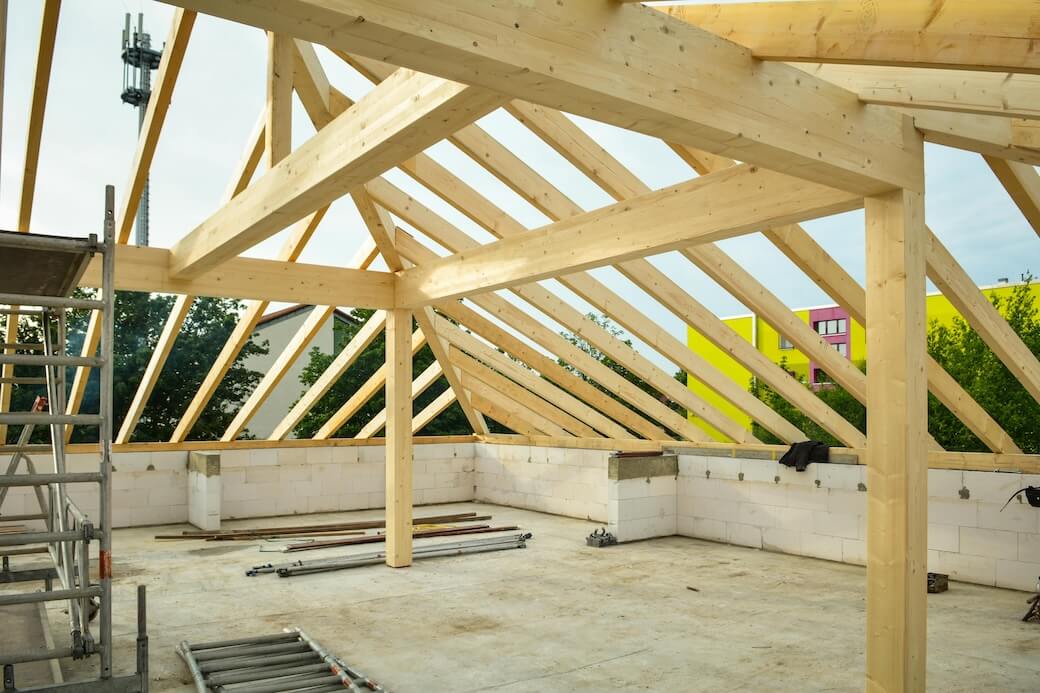
Modern Methods of Construction means off-site manufacturing and assembly techniques that move significant portions of the build process into controlled factory environments. This includes:
- Prefabricated panels and structural components
- Modular construction (entire rooms or units built off-site)
- Panelised systems for walls, floors, and roofs
- Volumetric builds (stacked modules forming complete structures)
The idea: build more in factories, assemble faster on-site, reduce reliance on weather-dependent trades, and deliver projects quicker with fewer defects.
The advantages of MMC (when it works)
Speed, if logistics align
MMC can significantly reduce on-site build times. Factory-produced components arrive ready to install, and weather delays are minimised because much of the work happens indoors.
You only get the speed if your supply chain is reliable, your site is accessible for large deliveries, and your groundworks and services are sequenced correctly. Poor logistics or site constraints can erase time savings quickly.
Quality control (in theory)
Factory environments allow for tighter quality control than traditional on-site builds. Components are manufactured to precise tolerances, reducing defects and inconsistencies.
Quality still depends on the manufacturer’s standards and your project management. Poor specification, inadequate oversight, or inexperienced installers can undermine the benefits. Not all MMC providers deliver the same quality.
Sustainability credentials
MMC reduces waste, limits transport movements, and often uses energy-efficient materials and design. This can help meet planning requirements, improve EPC ratings, and appeal to environmentally conscious buyers or tenants.
Against that, embodied carbon in manufacturing, long-distance transport of modules, and limited ability to source locally can offset some environmental benefits. The green credentials depend on the specific system and supplier.
“MMC shifts risk from on-site trades to off-site manufacturer.”
The challenges lenders and developers face with MMC
Higher upfront costs
MMC typically needs more money up front. Factory production and design fees often exceed traditional build costs at the start of the project, even if overall costs balance out later.
For funding: lenders assess cashflow and early-stage risk. If your MMC project front-loads costs, you may need higher initial drawdowns or stronger equity contributions to get lender approval.
Limited lender familiarity
Not all development finance lenders are comfortable with MMC. Some see it as higher risk due to:
- Reliance on specialist suppliers (what happens if they fail mid-project?)
- Uncertainty around resale values for non-traditional construction
- Lack of historical performance data for newer systems
What to do: Work with lenders who have funded MMC projects before. A broker with MMC experience can identify the lenders who see it as an advantage.
Valuation and exit concerns
Some valuers and mortgage lenders remain cautious about non-traditional construction methods, particularly for resale. If your buyers can’t secure mortgages easily, or valuers apply discounts, your GDV assumptions may not hold.
What to do: Choose MMC systems with a track record of mortgage acceptance (many are now fully approved by mainstream lenders). Provide evidence to lenders and valuers early in the process to avoid surprises at exit.
Supply chain dependency
MMC shifts risk from on-site trades to off-site manufacturers. If your supplier goes bust, has capacity issues, or delivers defective components, the project can stall, often with fewer fallback options than a traditional build.
For funding: lenders assess supply chain stability. Projects relying on a single, unproven MMC provider may struggle to secure competitive terms. Established suppliers with strong balance sheets reduce perceived risk.
When MMC makes sense for developers
MMC isn’t right for every project. It works best when:
- Speed matters more than marginal cost savings (e.g., tight planning conditions, phased sales, contracted completion dates)
- Site constraints favour off-site manufacturing (limited on-site space, restricted access, noise or working hour limitations)
- You’re building at scale (economies of scale improve MMC viability. A single house build rarely benefits)
- Labour shortages are a concern (MMC reduces reliance on scarce skilled trades)
- Energy efficiency is a priority (planning requirements, buyer demand, or green finance incentives make high EPC ratings valuable)
It doesn’t make sense when:
- Traditional build costs are significantly lower and speed isn’t critical
- Your site is remote or difficult to access for large deliveries
- You’re working with an unproven MMC provider to save money
- Lenders or buyers in your market are unfamiliar with the construction method
How to position MMC projects for funding approval
If you’re pursuing an MMC development and need finance, positioning matters:
- Choose established MMC providers with proven track records, strong financials, and mortgage lender acceptance
- Provide lender evidence early: manufacturer credentials, warranties, mortgage acceptability, comparable projects
- Stress-test your costs: MMC front-loads expenses, so make sure your cashflow and drawdown assumptions reflect this
- Work with experienced brokers: not all lenders understand or support MMC, so targeting the right ones saves time and improves terms
- Demonstrate exit strategy: show how buyers will secure mortgages and how valuers will treat the finished product
Lenders who have funded MMC before price it competitively. Others decline or load the rate, so the case should go to the first group only.
Should you use MMC?
MMC suits some schemes and some developers, and it carries funding risks a traditional build does not. If you’re considering it, get specialist advice on the build strategy and the funding structure together, before you commit to a supplier.
Planning an MMC development and need funding?
Fundingwise advises property developers on securing finance for modern construction methods, including modular, panelised, and volumetric builds.

Got a scheme to fund?
Property finance, in your inbox
Property finance insights from the Fundingwise team.
We'll email you a link to confirm. See our privacy policy for how we use your details.